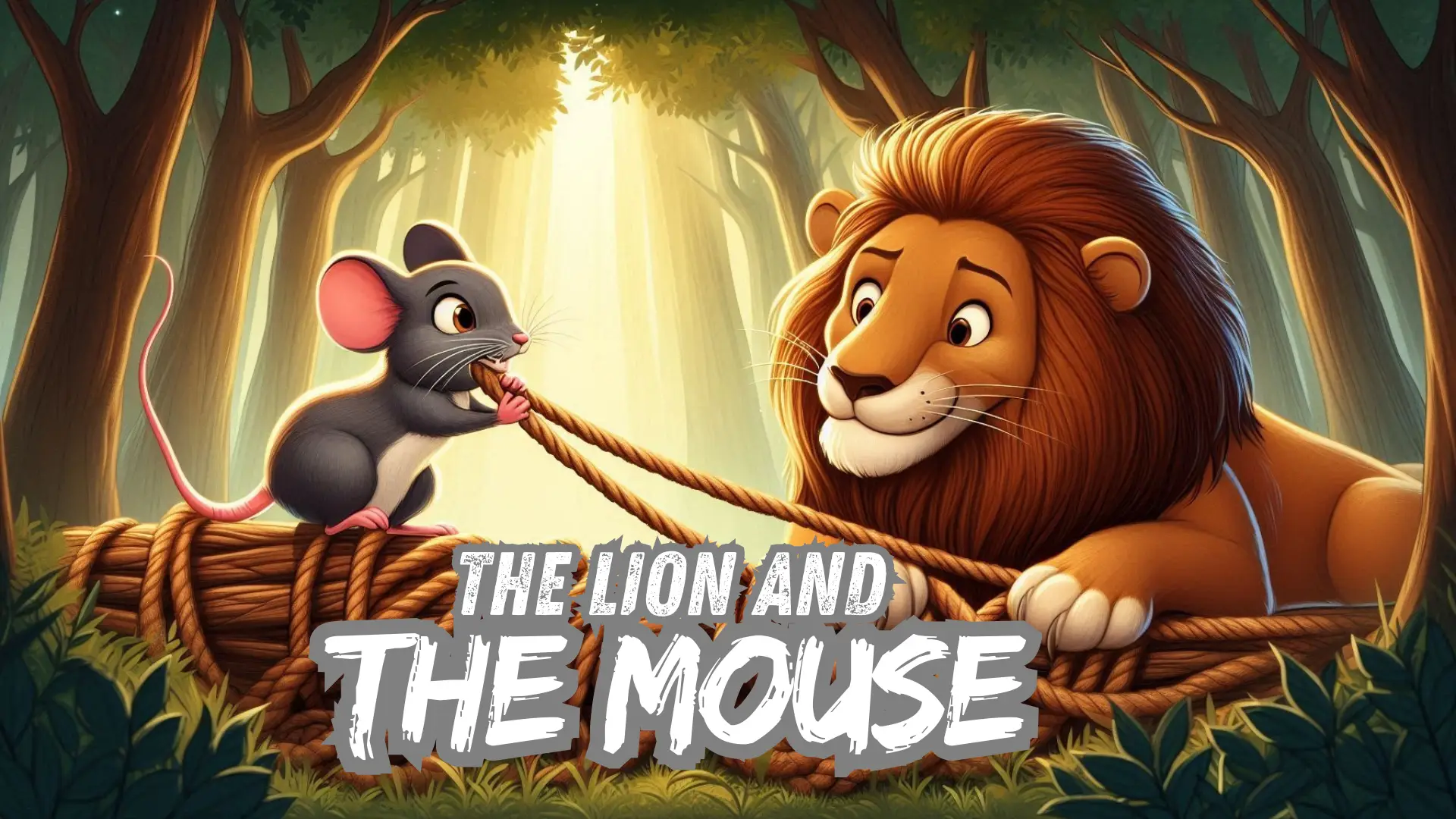
The Lion and The Mouse
About Course
NCF‑SE 2023–Aligned Lesson on “The Lion and the Mouse”
A modern, text‑only, teacher‑ready introduction that demonstrates how to build an English lesson aligned to the National Curriculum Framework for School Education (NCF‑SE 2023), cultivating knowledge, capacities, values, and dispositions.
Purpose of This Lesson
This sample lesson demonstrates how to design and deliver a Class VI English lesson in full alignment with the National Curriculum Framework for School Education 2023 (NCF‑SE 2023). It uses the timeless fable The Lion and the Mouse as a medium to show how stories can be transformed into holistic learning experiences.
By following the NCF‑SE vision, the lesson aims not only to develop language proficiency but also to nurture students’ knowledge, capacities, values, and dispositions—thereby shaping them into proactive, enthusiastic, and resilient learners.
Why NCF‑SE 2023?
The NCF‑SE 2023 calls for an integrated approach to learning where language lessons are not mere exercises in reading and writing but platforms for building life skills, ethical awareness, and personal growth. Lessons must actively promote:
- Knowledge – Factual, conceptual, and procedural understanding.
- Capacities – Cognitive, social, emotional, and communication skills.
- Values – Ethical principles, respect, and empathy.
- Dispositions – Curiosity, perseverance, and collaborative spirit.
By rooting lesson design in these four pillars, teachers ensure that learning extends beyond the textbook to life itself.
Lesson Goals (Based on the Four Pillars)
Knowledge
- Understand the sequence, characters, and moral of The Lion and the Mouse.
- Recognize key vocabulary and sentence structures used in the story.
- Connect the fable to real‑life examples of kindness and reciprocity.
Capacities
- Develop reading fluency and comprehension skills.
- Enhance oral communication through storytelling and role‑play.
- Strengthen problem‑solving abilities by exploring “what if” scenarios in the story.
Values
- Appreciate the importance of empathy and mutual support.
- Respect diverse perspectives during peer discussion.
- Understand that even small acts of kindness can have a significant impact.
Dispositions
- Show curiosity by asking thoughtful questions about the text.
- Demonstrate resilience in completing challenging activities.
- Collaborate constructively in group storytelling and creative tasks.
Intended Learning Outcomes
By the end of the lesson, students will be able to:
- Retell the story in their own words, maintaining the sequence of events.
- Identify and use at least five new vocabulary items from the text in context.
- Participate in a group role‑play demonstrating teamwork and expressive language use.
- Relate the moral of the story to personal or community experiences.
- Exhibit respectful listening and speaking habits during peer interactions.
Basic Requirements for Implementation
- Class Level
- VI
- Time Allocation
- 40 minutes
- Materials
- Story text, flashcards with key vocabulary, projector or chart paper for visuals, space for role‑play.
- Pedagogical Approach
- Story‑based, activity‑driven, discussion‑led learning.
- Assessment Strategy
- Formative assessment through observation, participation, and short reflective writing.
Teacher’s Role & Delivery Modes
As per NCF‑SE 2023, you are the facilitator, guide, and motivator in the learning process. Your role is to create an environment where students feel safe to express themselves, challenge ideas respectfully, and connect language learning to their lived experiences.
This lesson is designed to be flexible in delivery—you may:
- Integrate it into regular classroom sessions, teaching the full lesson in one sitting.
- Deliver it in segments, combining in‑class discussions with follow‑up activities at home.
- Use it in a school lab or library setting, where students explore story‑related multimedia, vocabulary games, or role‑play tasks.
The aim is to make learning dynamic and adaptable so that whether taught entirely in the classroom or spread across different spaces and times, it remains educational and transformative—preparing students not just for examinations but for life.
Course Content
Reading
-
The Story
01:35 -
Exercise 1
-
Exercise 2
Knowledge
-
Exercise 3
-
Exercise 4
-
Exercise 5
-
Exercise 6
-
Exercise 7
-
Exercise 8
-
Exercise 9
Competencies and Skills
-
Learn
-
Exercise 10
-
Exercise 11
-
Exercise 12
-
Exercise 13
-
Exercise 14
Values and Disposition
-
Exercise 15
-
Exercise 16
00:43
Student Ratings & Reviews
